Practical, US-specific guidance on where to put each dollar, built around account types, tax treatment, and employer benefits rather than stock picking.
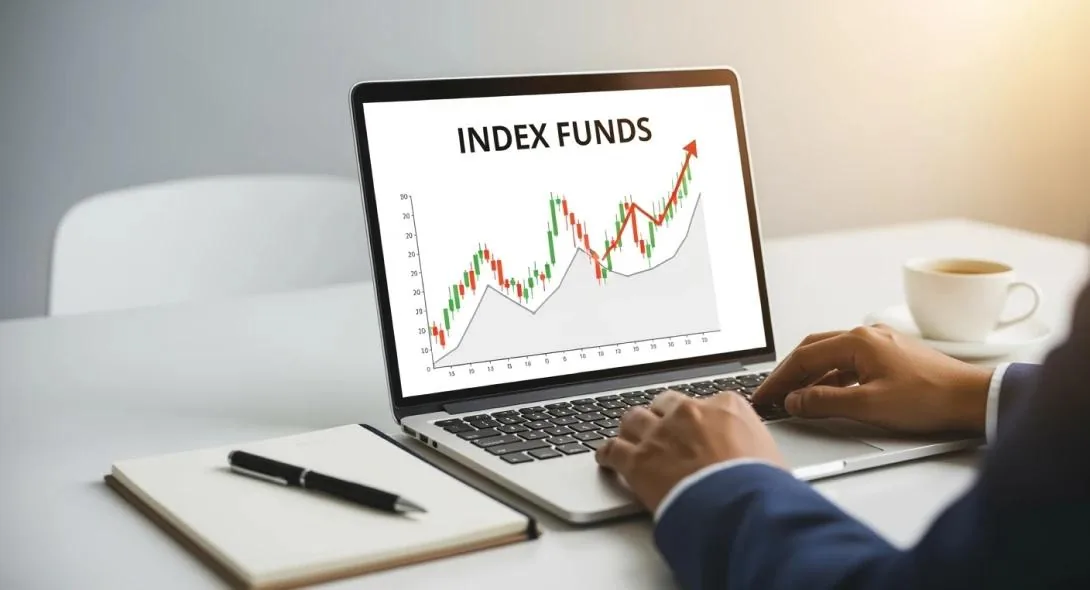
An index fund holds a basket of securities designed to track a benchmark, such as a total US stock market index, rather than betting on any single company. This spreads risk across hundreds or thousands of holdings in one purchase.
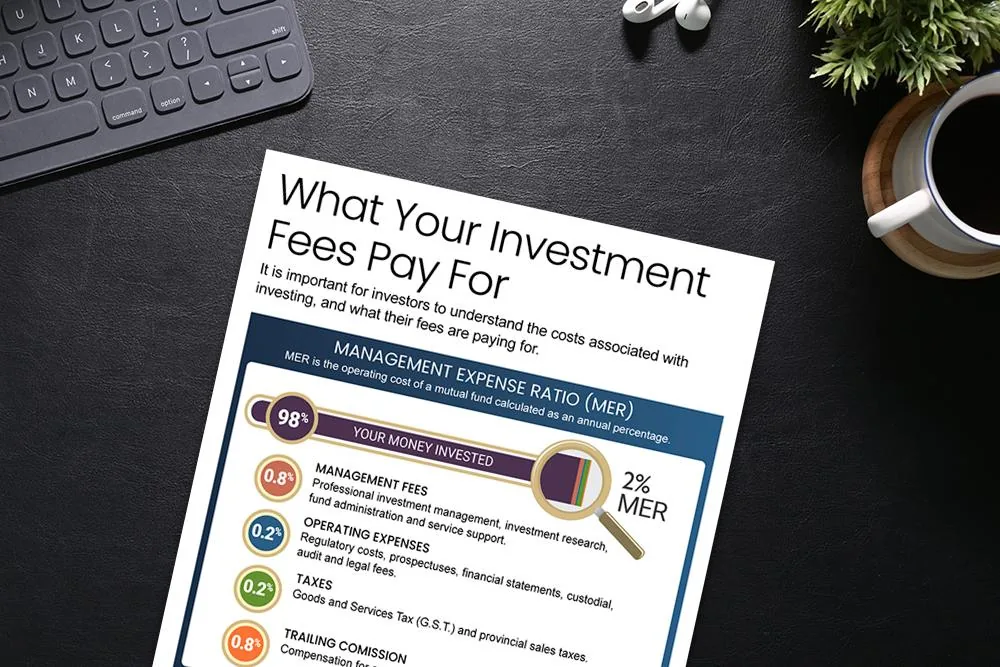
A 1% annual fee sounds small, but over three decades it can consume a meaningful share of total returns because the fee is charged on the full balance every year, not just on contributions. Comparing expense ratios before buying is one of the highest-leverage decisions an investor makes.
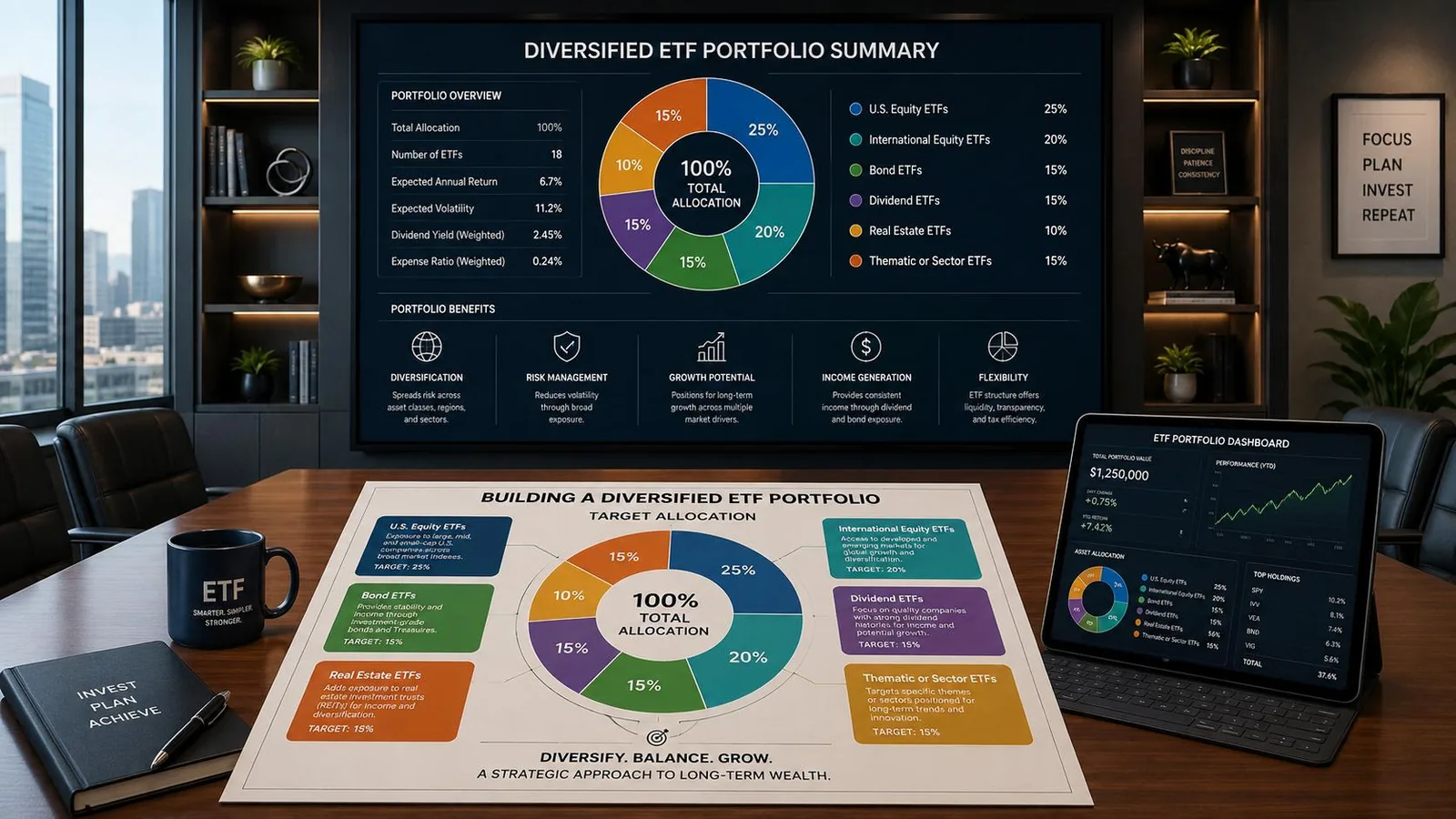
Spreading money across many holdings reduces the impact of any single company's collapse, but it does not eliminate market-wide risk. Index funds still fall when the broader market falls.
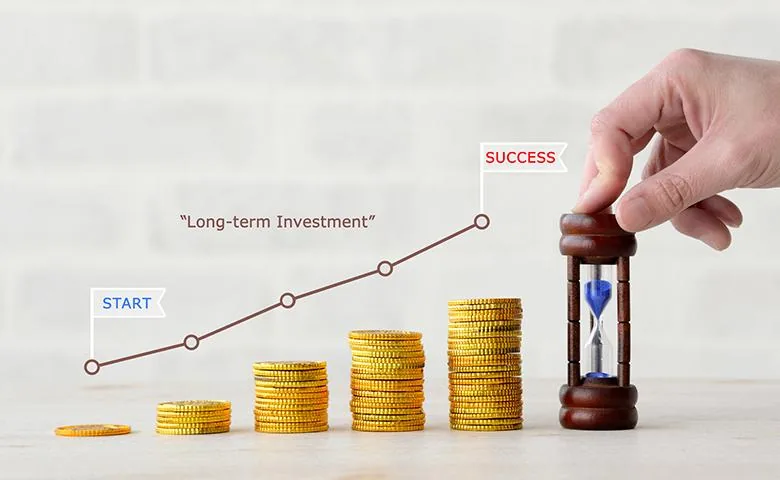
Consistent contributions on a schedule, sometimes called dollar-cost averaging, remove the pressure of guessing short-term market direction and are easier to sustain over decades.

Contributions are made with after-tax dollars, so qualified withdrawals in retirement are tax-free. Roth IRAs have annual contribution limits and income phase-outs, and are opened independently of an employer.
Best when: you expect a higher tax rate laterContributions are typically pre-tax, lowering taxable income today, with withdrawals taxed as ordinary income in retirement. Many US employers offer a partial match, which functions as an immediate return on contributions.
Best when: you want the employer match firstMany financial educators discuss capturing the full employer 401(k) match first, since it is effectively free money, before deciding between maxing a Roth IRA or increasing 401(k) contributions further. Individual circumstances, including income phase-outs and cash-flow needs, can change this order — this is general education, not a personalized recommendation.
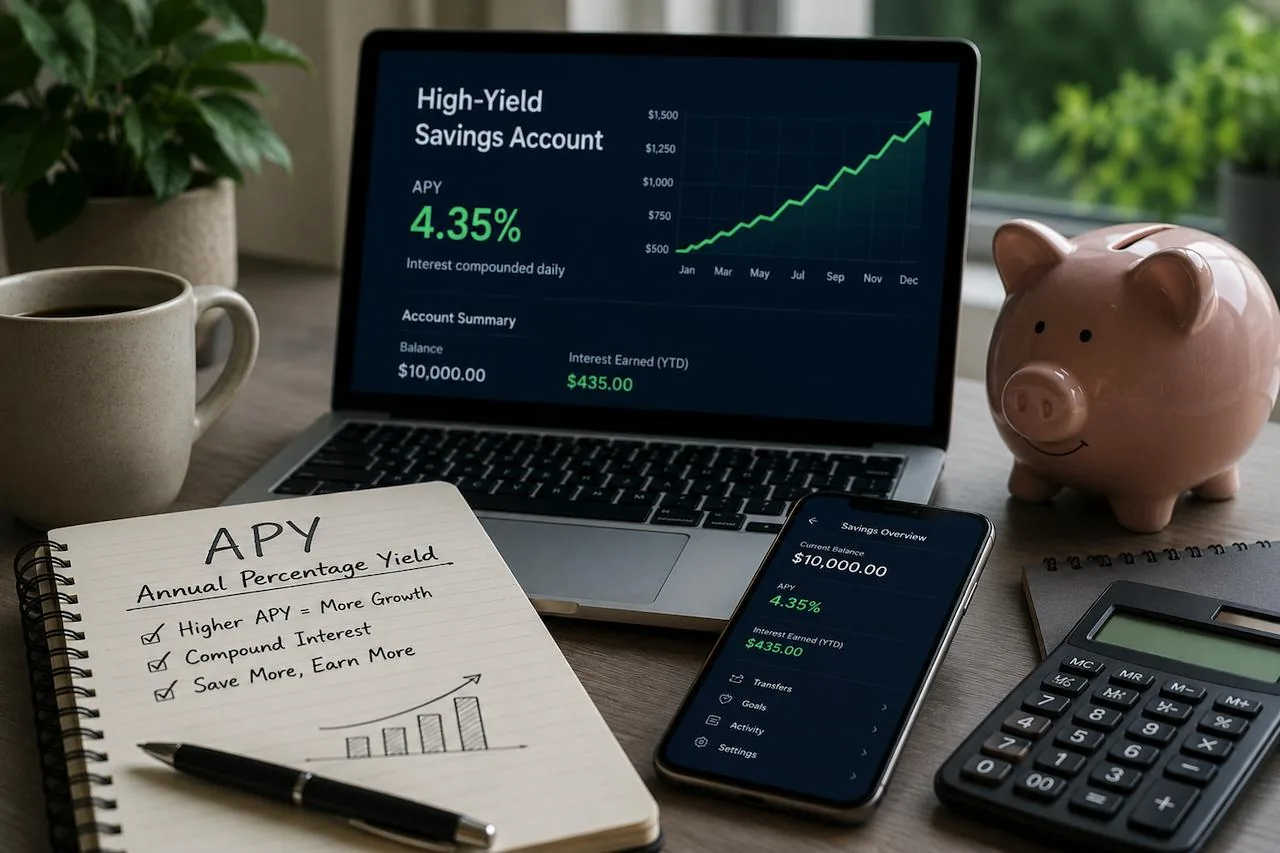
A high-yield savings account (HYSA) is generally used for short-term reserves — commonly discussed as three to six months of expenses — kept liquid and separate from long-term investments.
HYSAs pay a variable annual percentage yield that moves with broader interest rates. Comparing the current APY against inflation helps clarify real, after-inflation purchasing power.
Deposits at FDIC-member banks are insured up to $250,000 per depositor, per bank, per ownership category — a detail worth confirming directly with any institution before large transfers.